Full portfolio · 2022—Now

Complete-system work.

A closer look at how I move from an uncertain requirement to a working system—across hardware, perception, controls, AI and deployment.

Focus

  • Robotics architecture
  • Physical AI
  • Computer vision
  • Industrial integration
  • Rapid prototyping

01 · Industrial robotics

An eight-robot production line, built from the ground up.

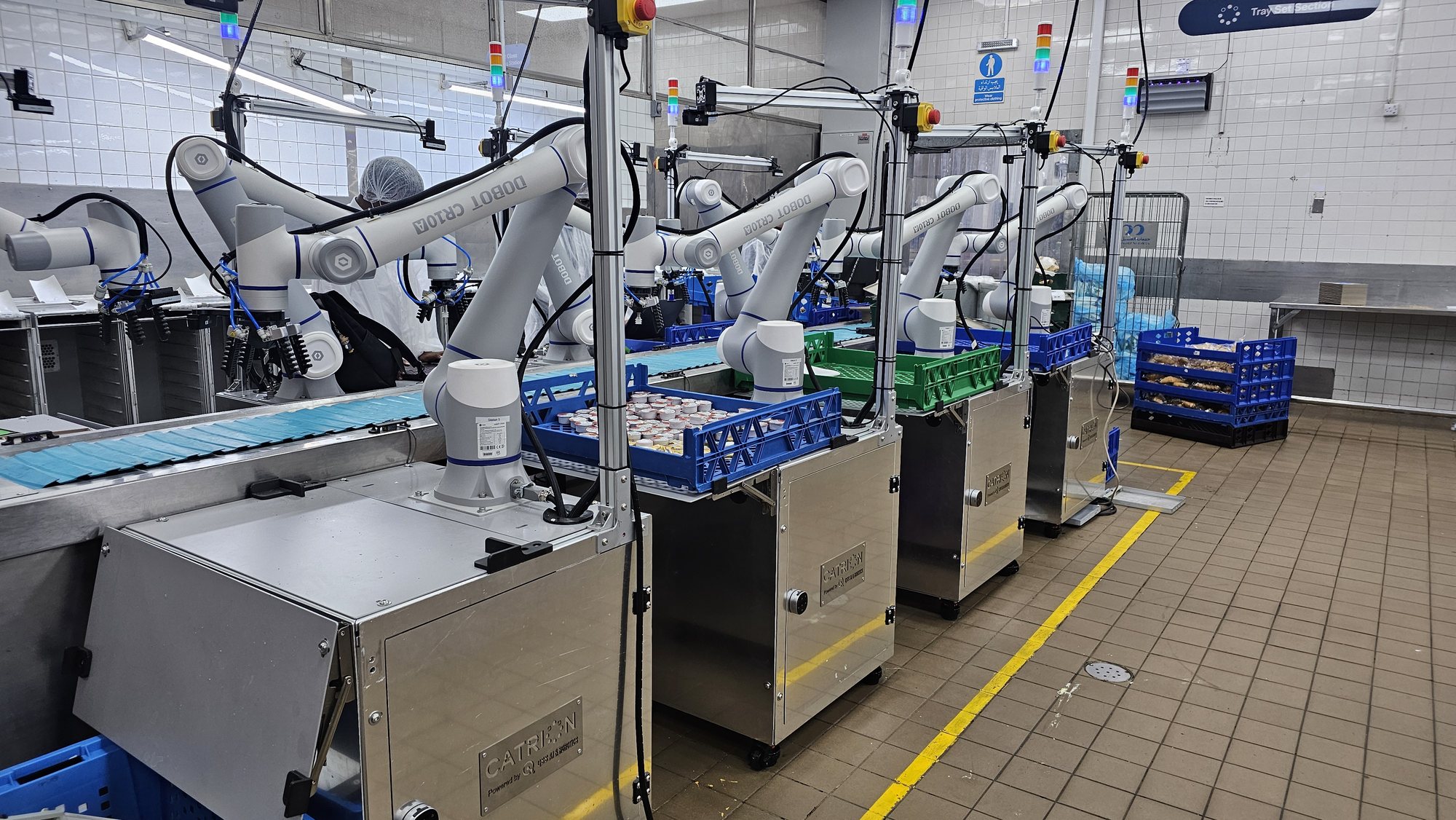
A coordinated catering tray-setting system: eight independent robot cells add items to moving trays while one master system manages the line.

Production evidence18-second system overview

08independent robot cells
16cameras across the line
01coordinated production system
Full cyclearchitecture to commissioning

The challenge

Make eight cells behave like one reliable machine.

The work extended beyond robot motion. Each station needed mechanical integration, vision, a soft gripper, sensors and communication with the conveyor, PLC and master coordination layer.

My contribution

  • System architecture and robot-cell installation
  • Mechanical integration, soft grippers and sensors
  • Camera setup, calibration and perception workflow
  • ROS 2, MQTT, TCP/IP and PLC communication
  • Integration troubleshooting and commissioning
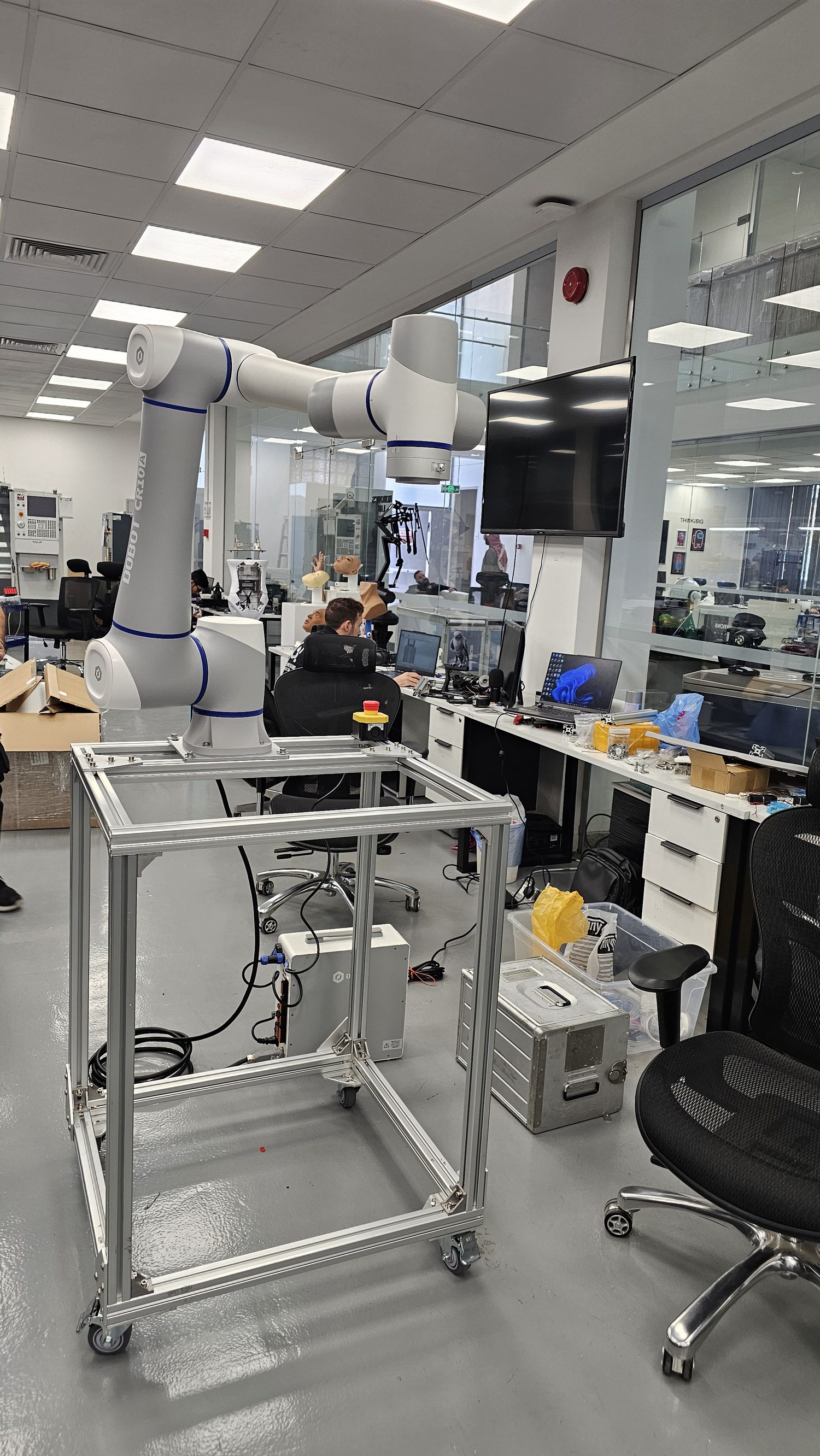
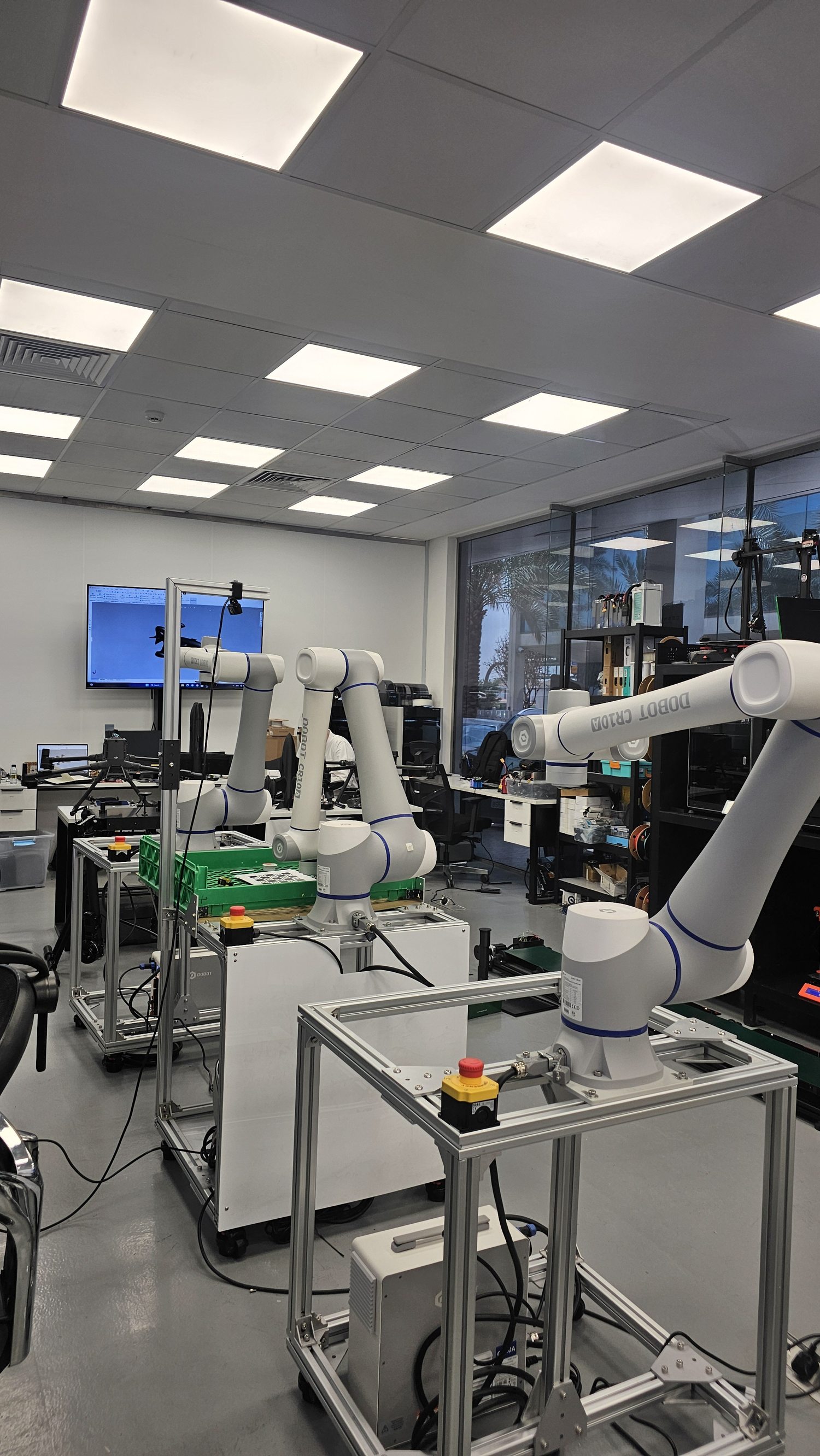
First robot mounted on the initial mobile cell frame
01First cell
Multiple robots installed as the line scaled
02Scale-up
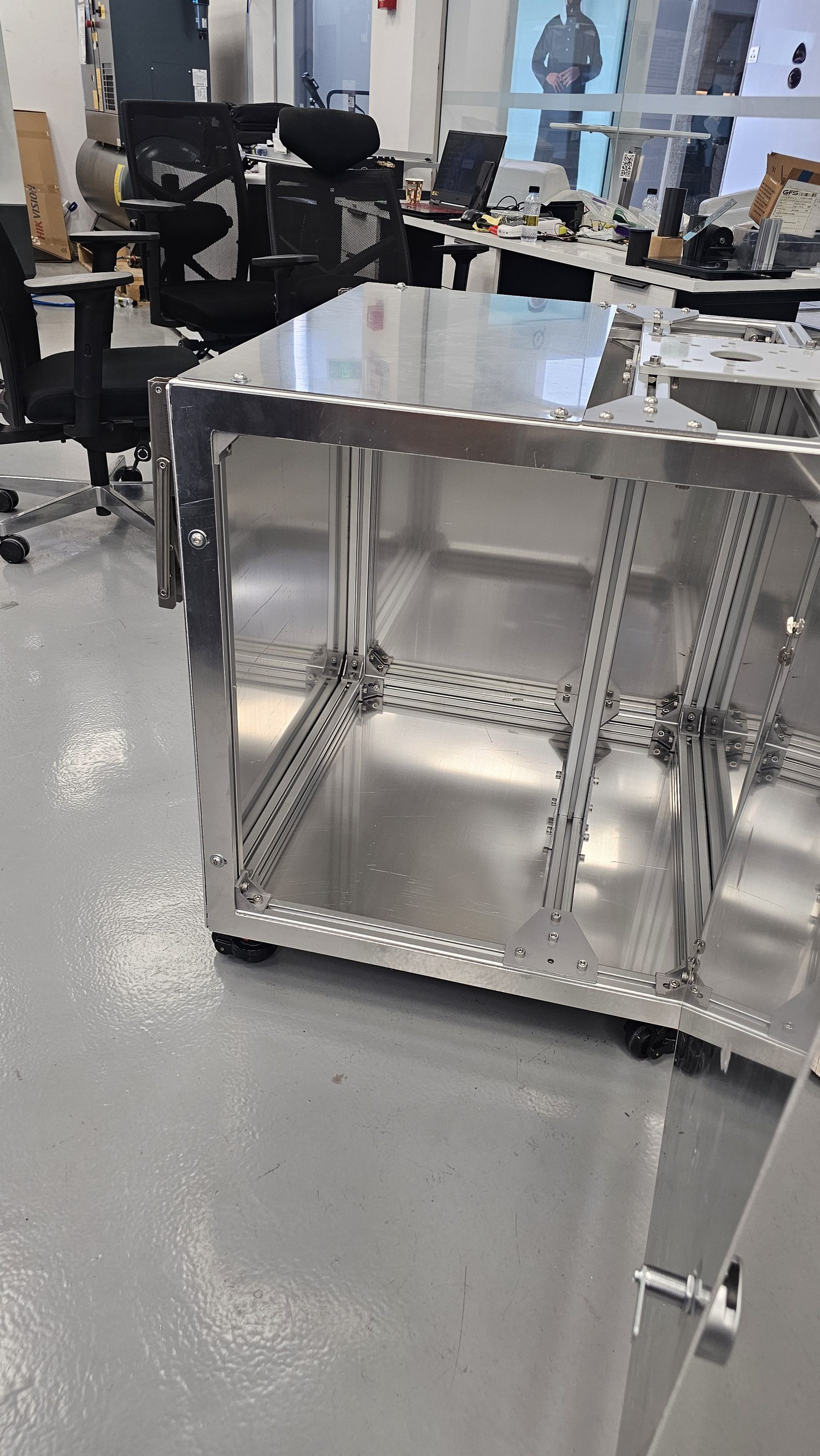
Robot cell with enclosure panels during integration
03Integration
Completed eight-robot production line
04Deployment

02 · Physical AI

Adapting large robot models to affordable hardware.

A resource-efficient approach to fine-tuning Vision-Language-Action models and deploying learned manipulation on an SO-101 robot arm.

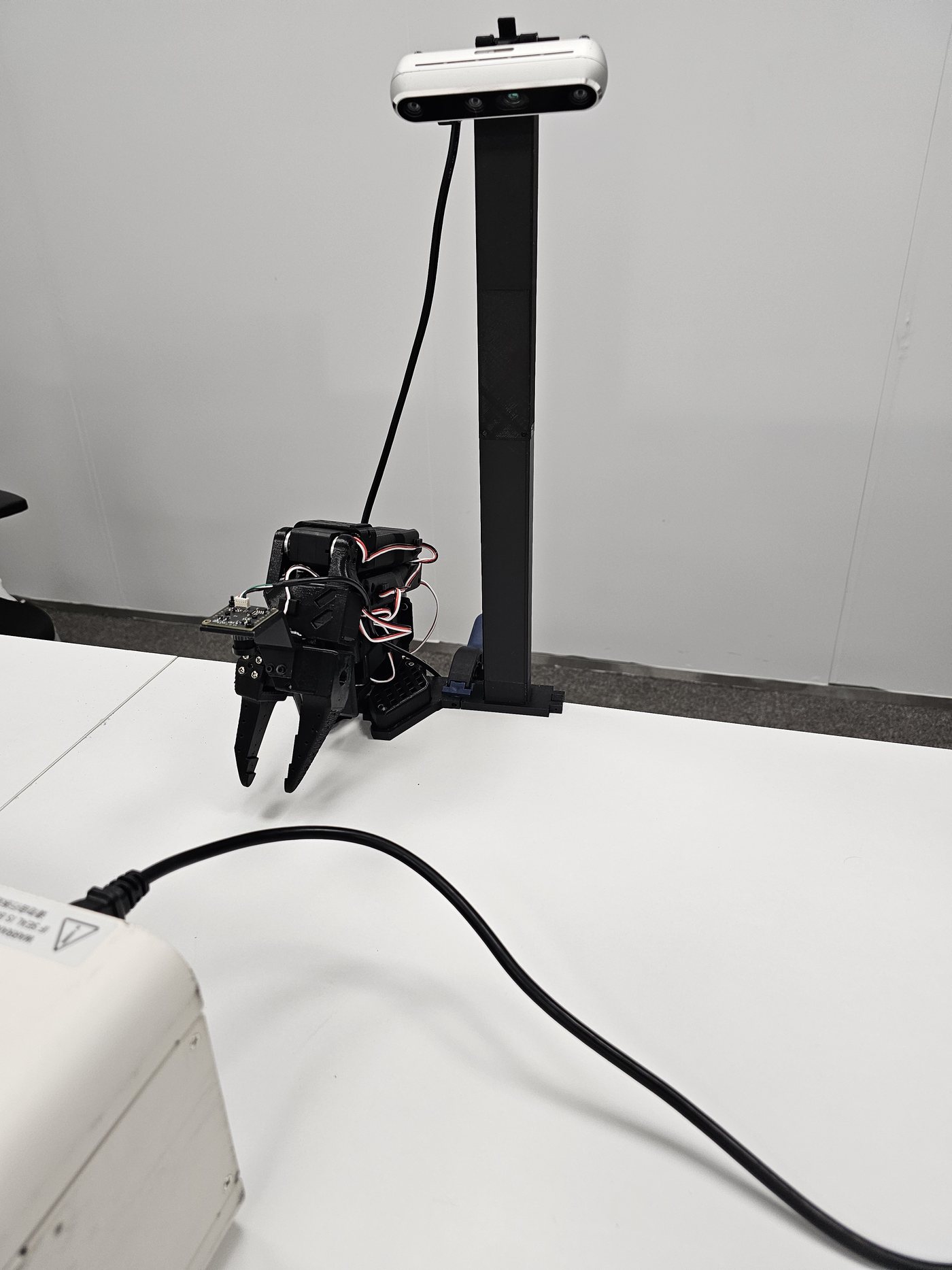
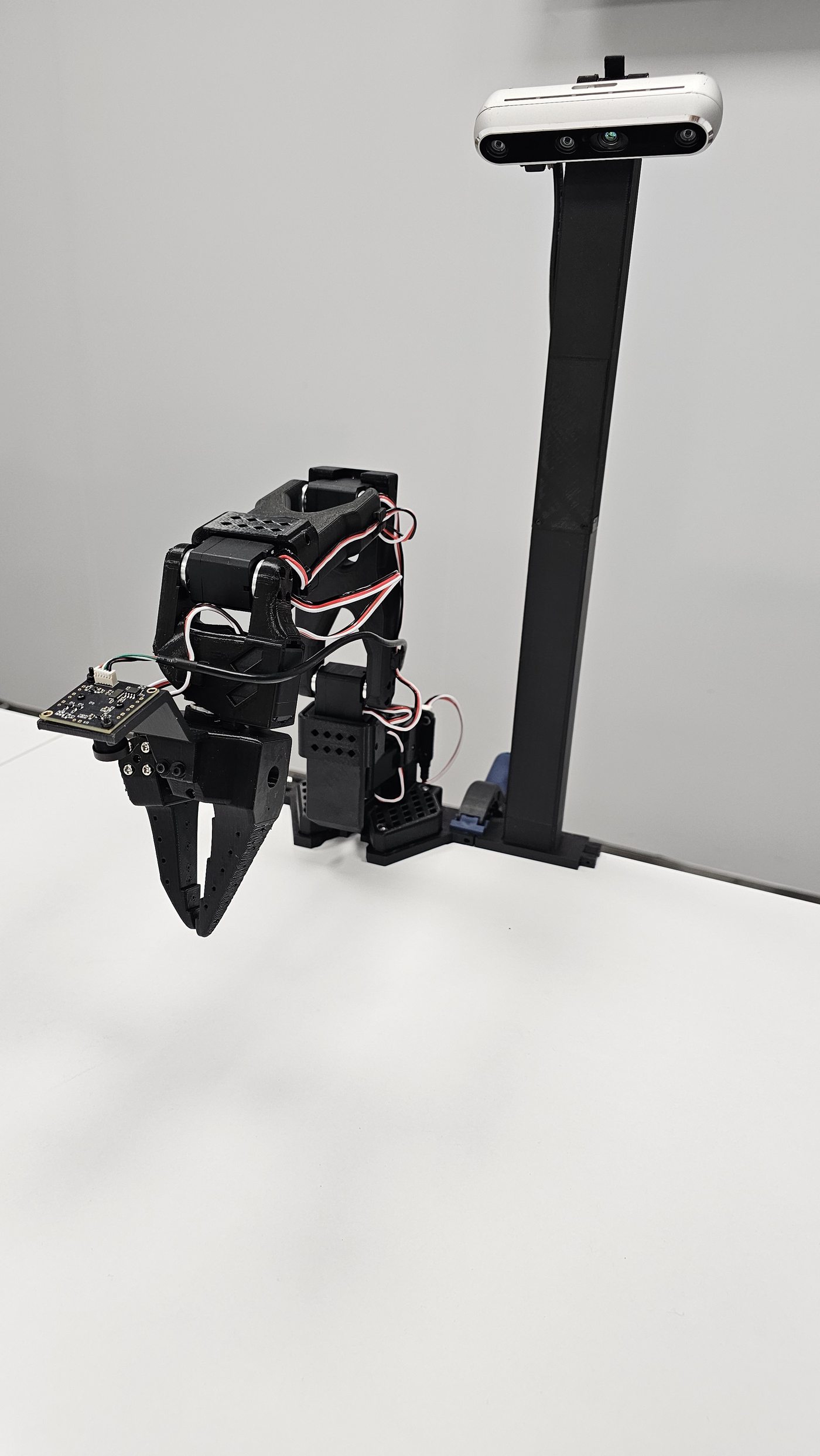
SO-101 arm with a vision camera used for VLA deployment
3.1Bparameter VLA model
8 GBconsumer GPU memory
200demonstration episodes
LoRAefficient fine-tuning

Research question

Can capable VLA models run beyond expensive research labs?

The study combines LoRA and quantization to reduce compute requirements, then evaluates real deployment limits, data needs and failure modes on a low-cost manipulation platform.

Hands-on work

  • SO-101 platform assembly and camera integration
  • Teleoperation and demonstration collection
  • LoRA-based model adaptation and quantization
  • Real-world policy deployment and failure analysis
  • Simulation and repeatable experiment documentation
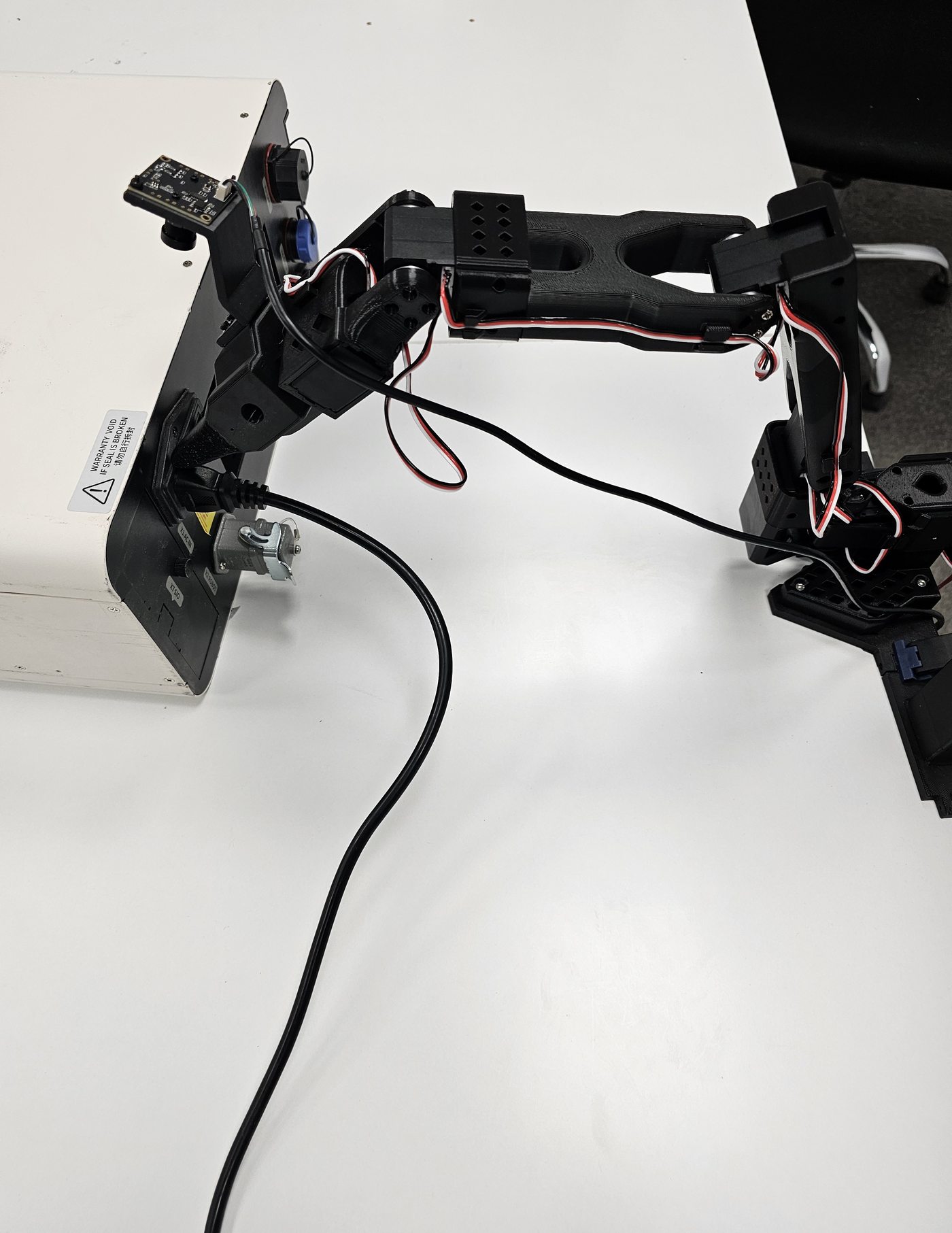
Complete SO-101 Physical AI experiment workspace SO-101 robot arm hardware and onboard vision detail

03 · Rapid industrial deployment

Concept to factory operation in three weeks.

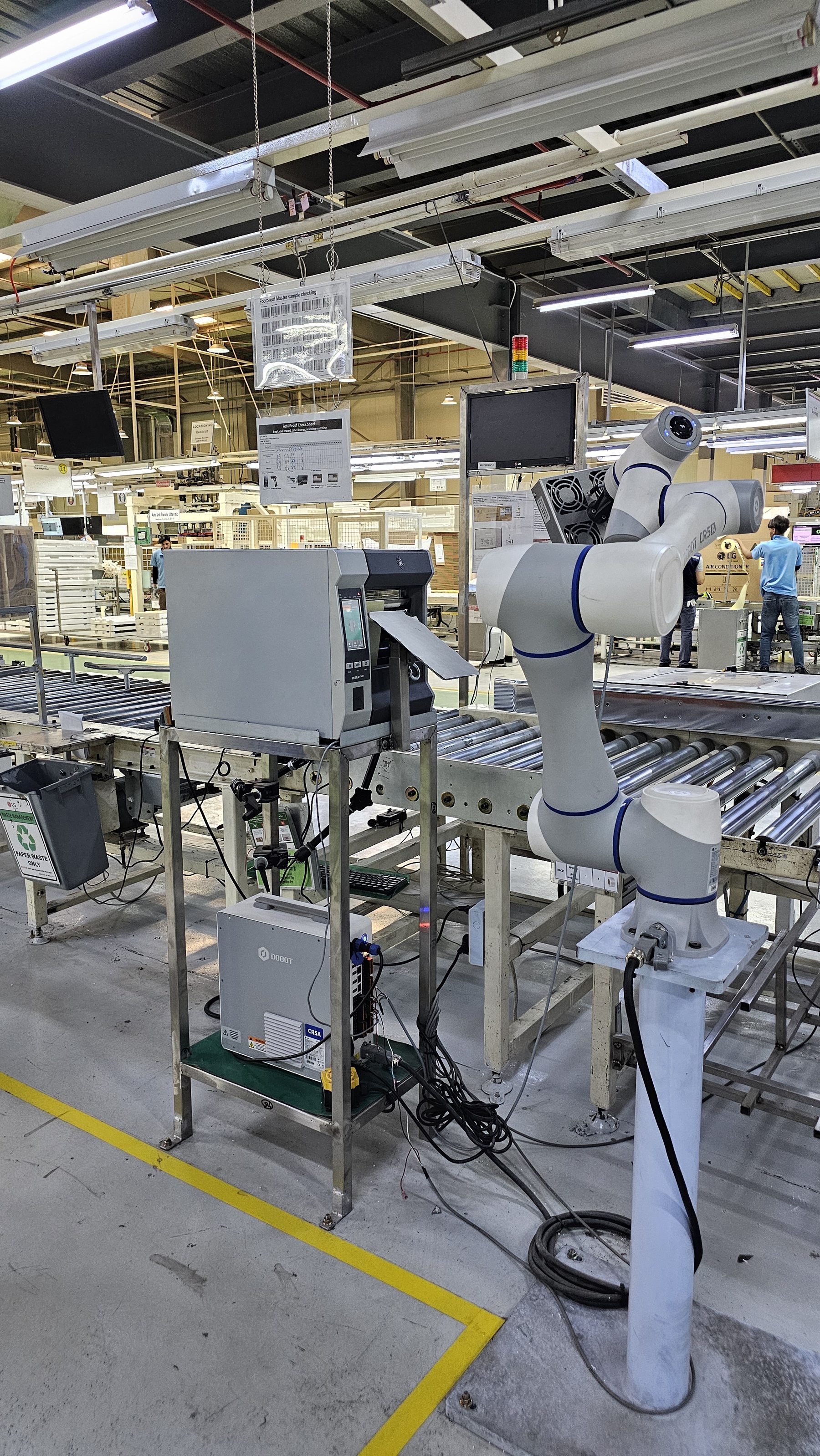
An industrial cobot workflow that prints, picks and applies labels within an existing air-conditioning manufacturing line.

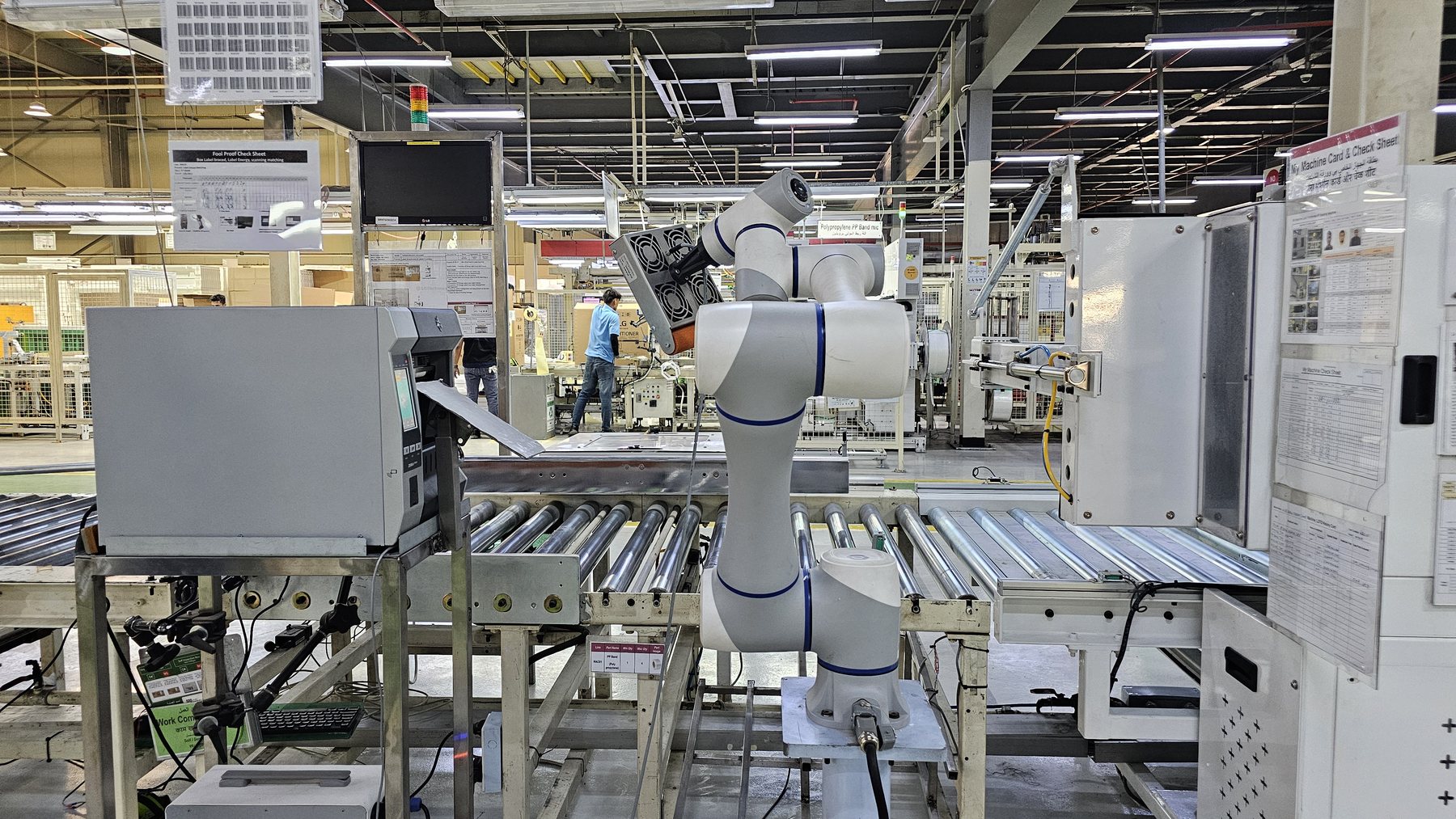
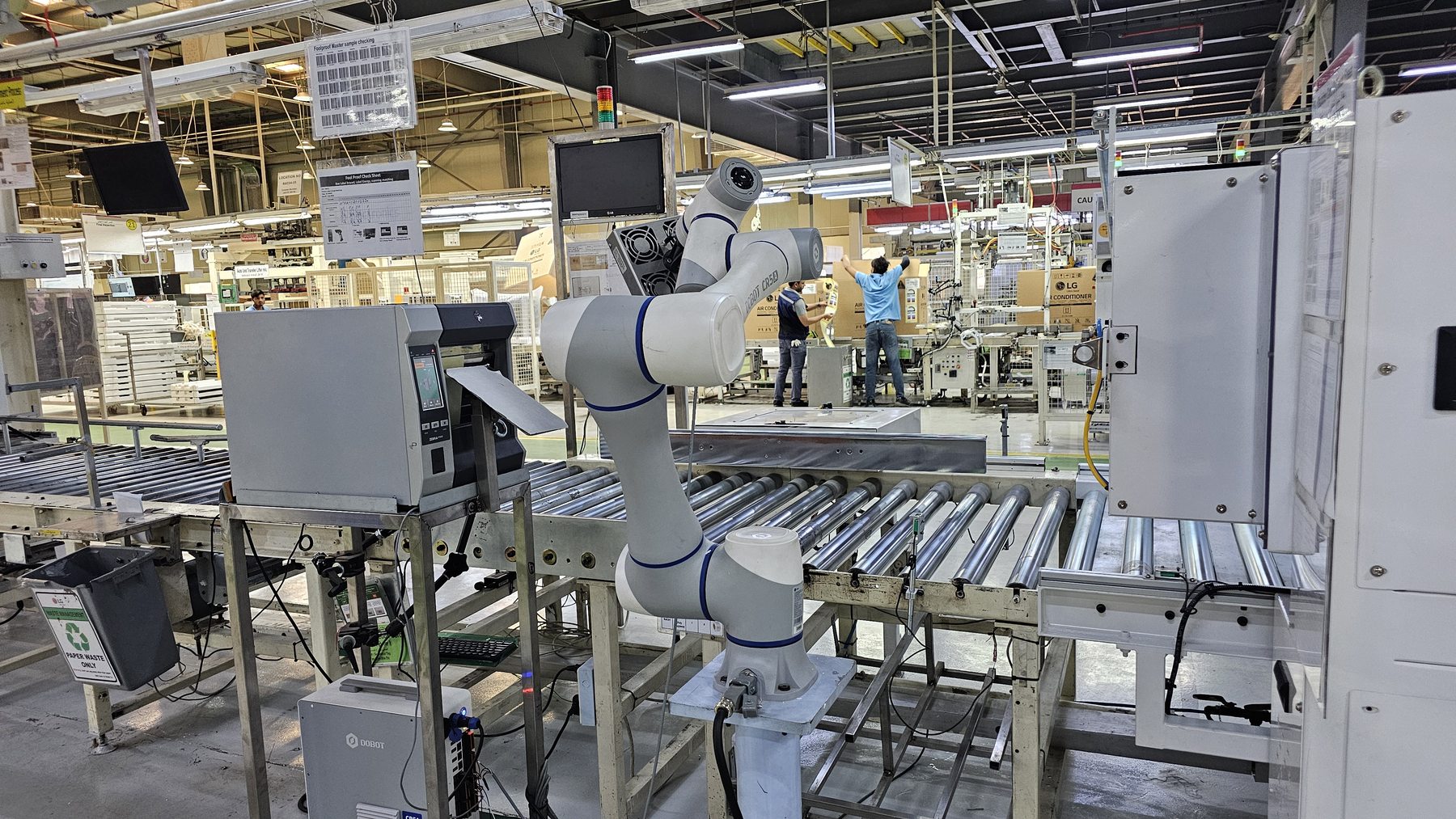
Deployed labeling cobot, printer and factory line
01PrintGenerate the required label
02PickLift with the vacuum tool
03ApplyPlace on the product
04VerifyConfirm each process step

Ownership

A compact project with direct responsibility for delivery.

I designed, integrated, troubleshot, commissioned and deployed the complete system largely independently, working within the constraints of an operating production environment.

Engineering focus

  • Robot, printer and production-line integration
  • Vacuum pickup tooling and placement sequence
  • Process-state checks and reliable recovery behavior
  • On-site troubleshooting and final commissioning
Labeling cell within the surrounding factory environment Robot, printer and cell integration detail

04 · Service robotics

Robotics adapted to a real coffee branch.

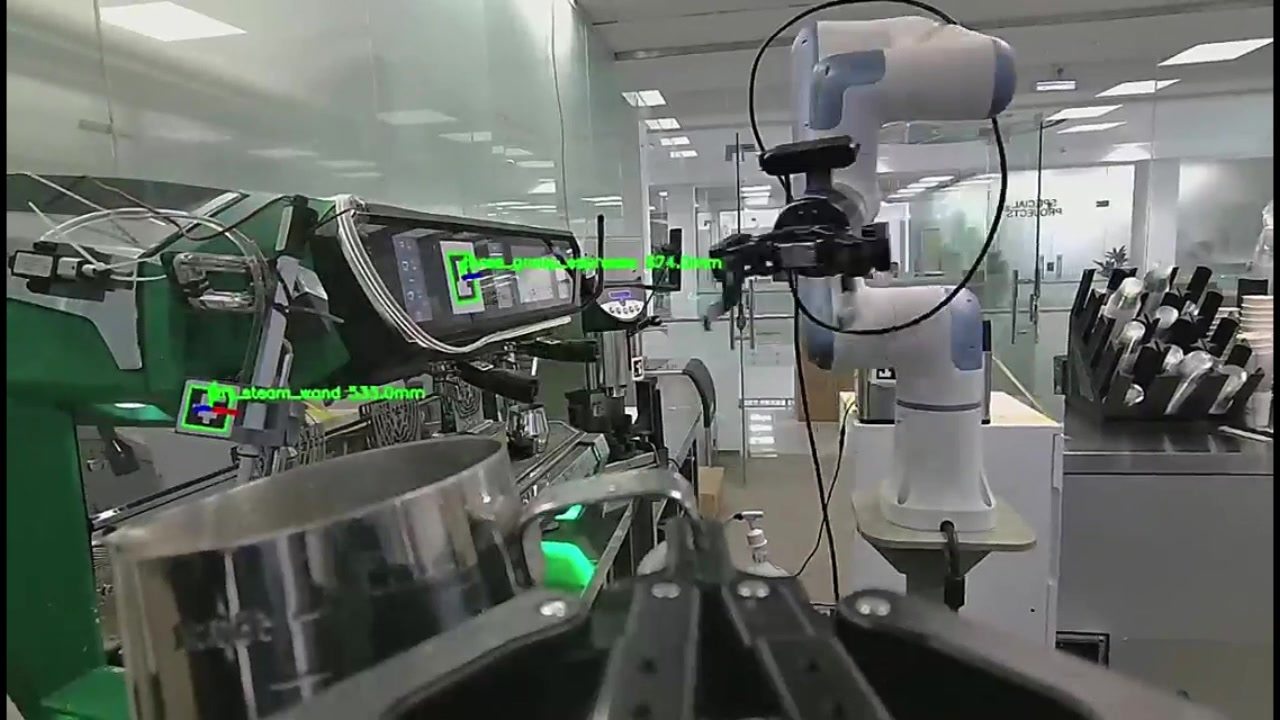
Two robot arms interact with espresso machines, grinders, portafilters and other equipment that was designed for people—not robots.

Vision-assisted robot interaction with coffee equipment

Integration challenge

Automate the workflow without rebuilding the environment.

The robots had to operate human-oriented tools and machines while fitting the branch layout and preserving the original coffee process.

My contribution

  • Robot and equipment interaction workflows
  • Subsystem automation and communication
  • Vision-assisted interaction and CAN integration
  • Testing within the real branch environment

05 · Computer vision + VLM reasoning

From defect detection to an actionable maintenance plan.

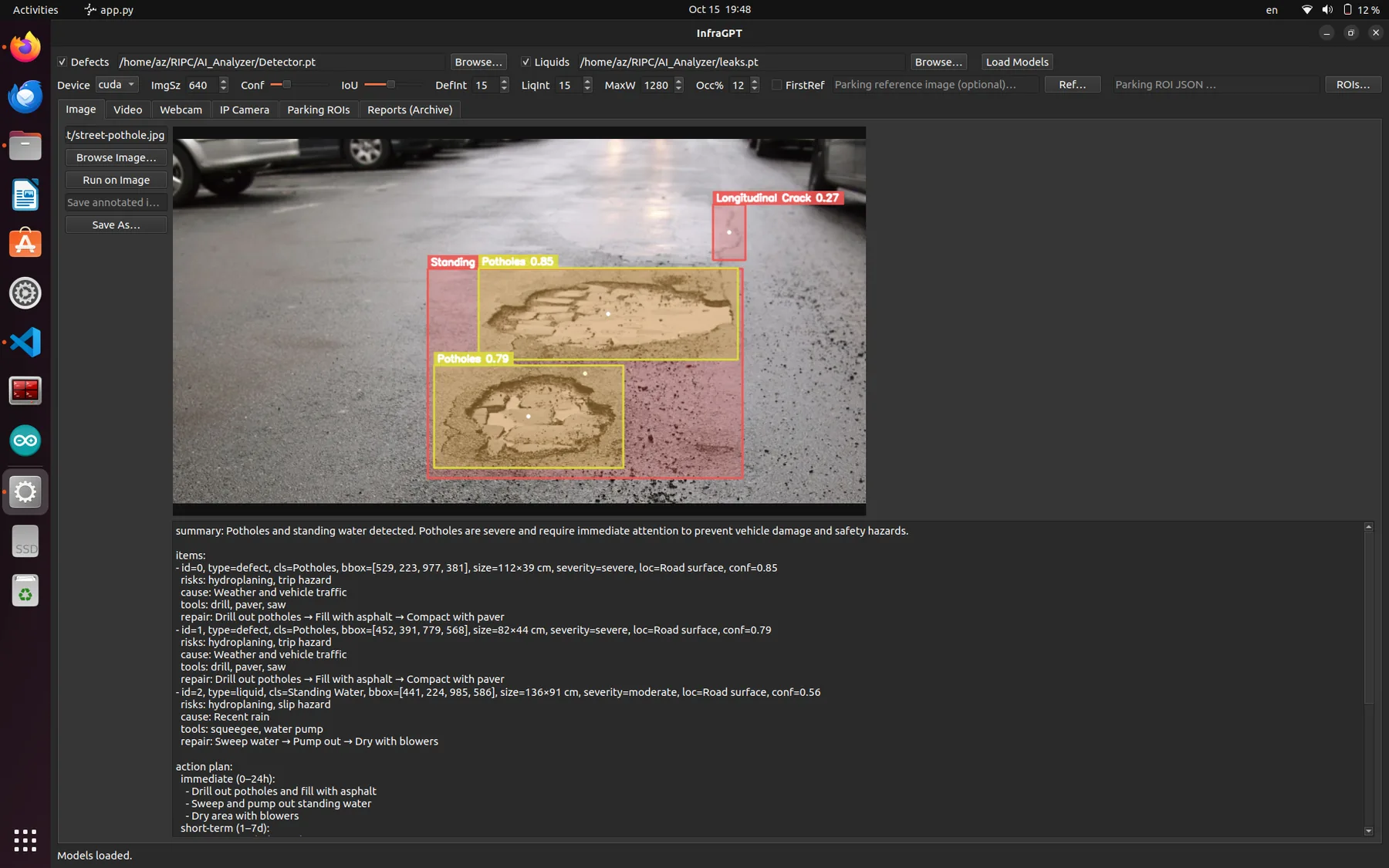
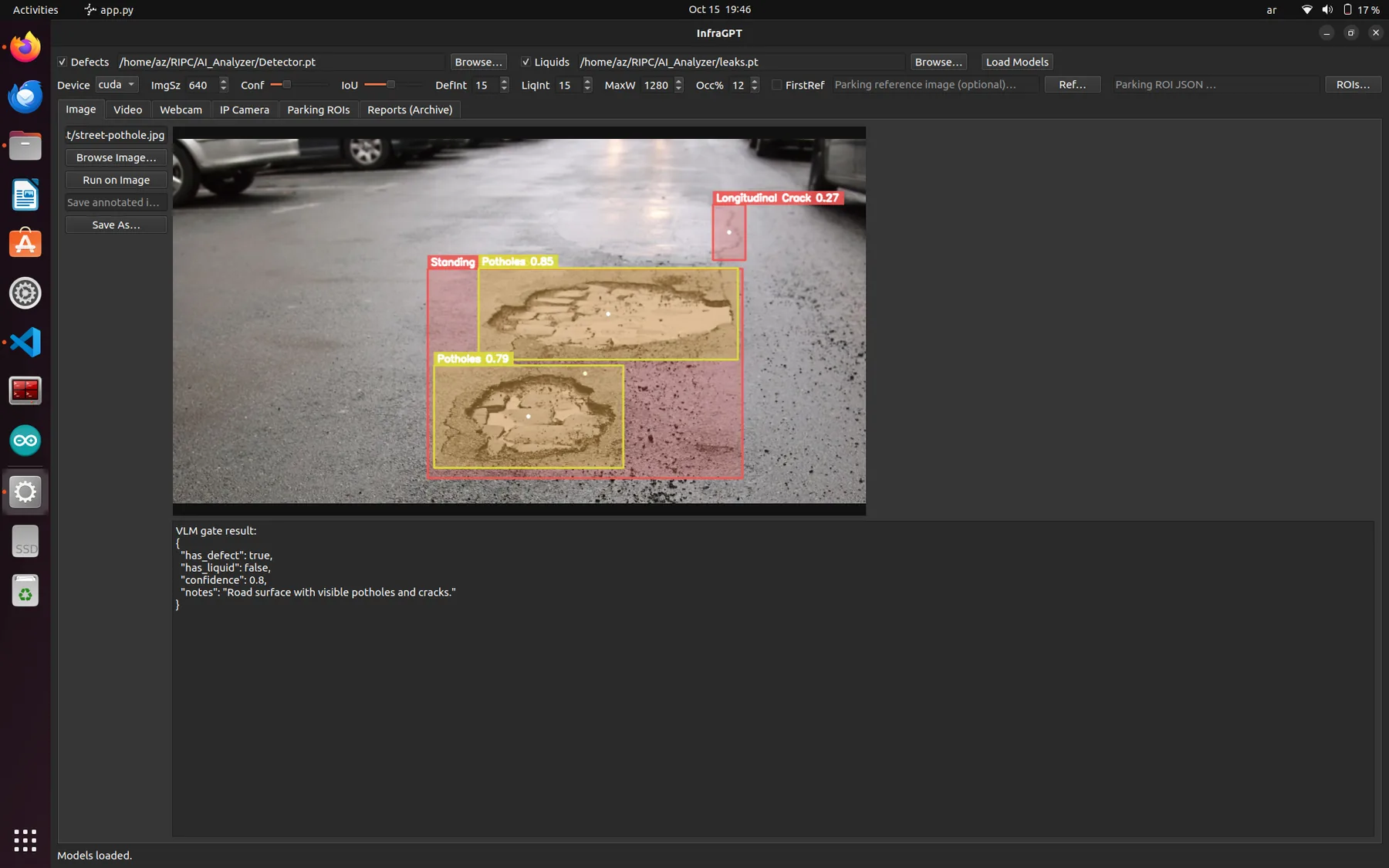
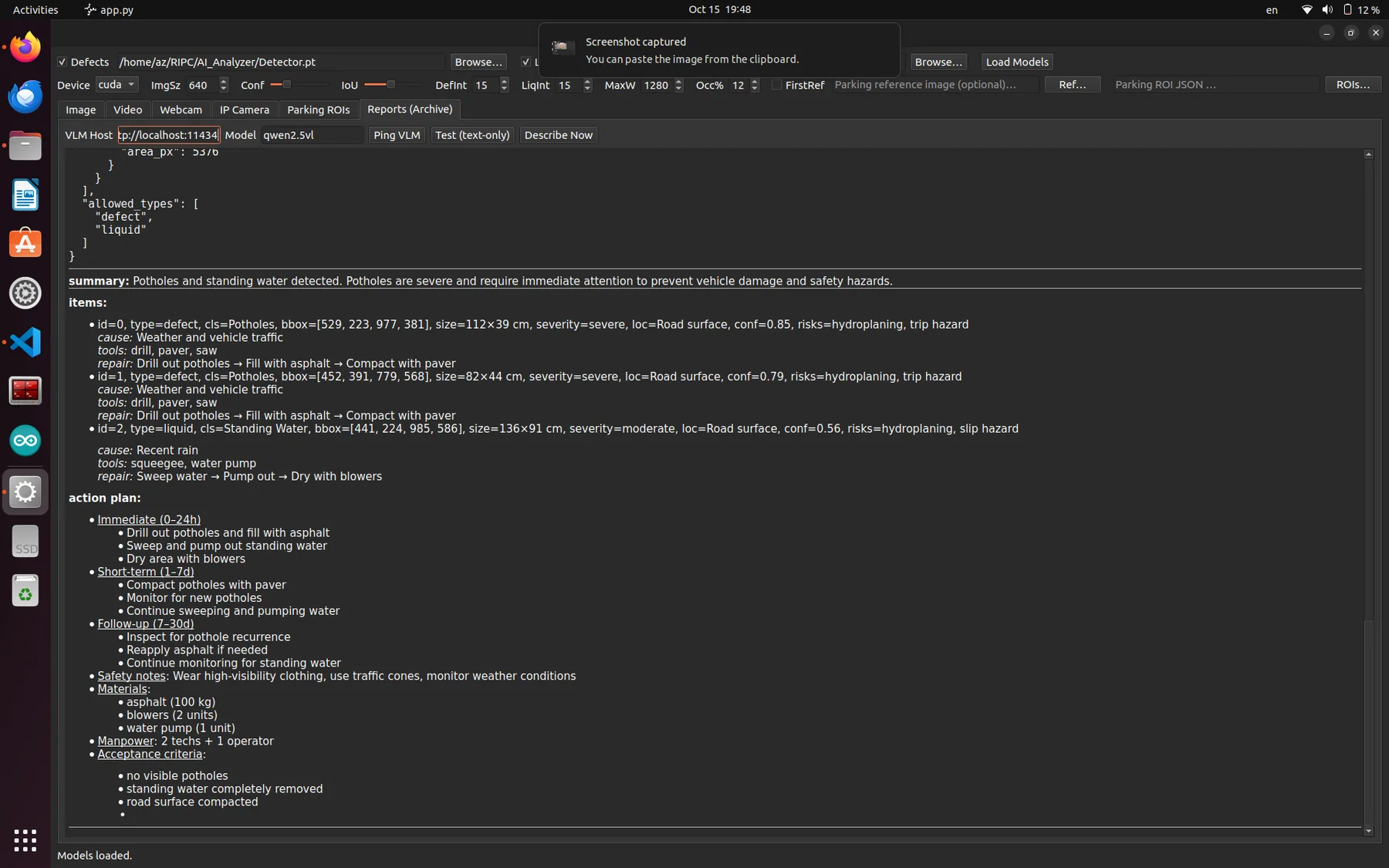
InfraGPT connects visual detection with structured reasoning so infrastructure teams receive context, severity and recommended action—not only boxes on an image.

InfraGPT interface showing detected road defects and an action plan
01DetectFind cracks, potholes and leaks
02UnderstandAssess context and severity
03ActProduce structured maintenance guidance

The gap

Detection alone still leaves the operational decision to a person.

InfraGPT uses YOLO-family detection and a Vision-Language Model to turn CCTV or inspection imagery into structured reports, including risks, urgency, tools, resources and repair actions.

Output

  • Multi-defect detection and segmentation
  • Scene-aware severity assessment
  • Structured JSON maintenance plan
  • Urgent alerts and recommended resources
InfraGPT computer-vision detection stage InfraGPT structured maintenance planning output

06 · Research

Research grounded in working systems.

Human–robot interaction, infrastructure intelligence and accessible Physical AI.

Next challenge

Build something that works beyond the demonstration.

Robotics · Physical AI · Emerging technology · Riyadh, Saudi Arabia

Start a conversation